
Good Pain vs Bad Pain: How to Know When to Push On and When to Stop
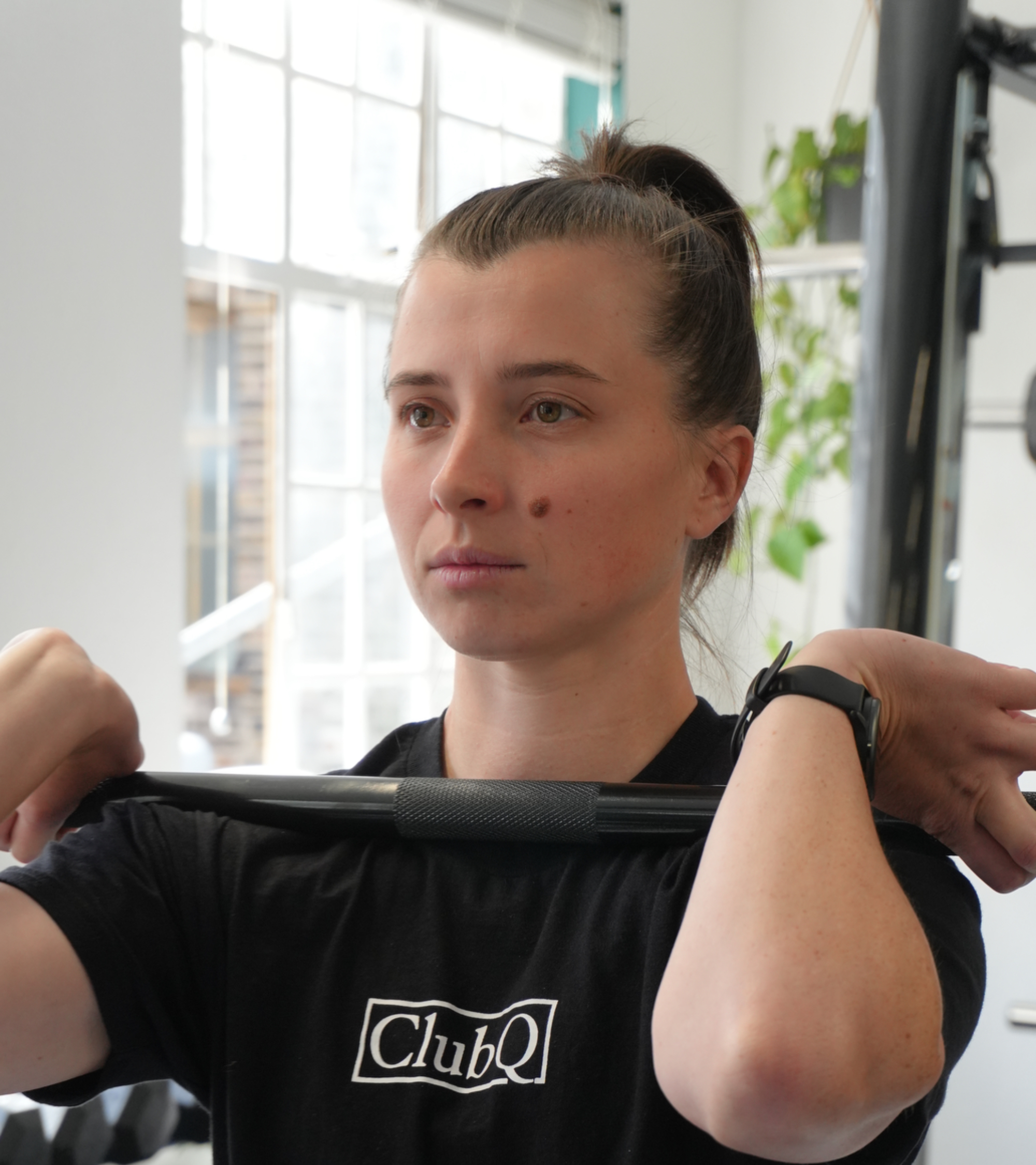
One thing I hear from clients regularly is that they can't tell one kind of pain from another. Some say it all feels the same. Others sit at one of two extremes: they push through pain when they really shouldn't, or they stop at the first sign of any discomfort at all.
Niether "pain is bad" nor "no pain, no gain" is much use as a rule. Some sensations during exercise are completely normal and don't mean you have done any damage. Others are a warning that you need to change what you're doing, or stop altogether.
Pain itself falls into two broad types. Acute pain is generally short term, often lasting less than three months. Chronic pain persists beyond three months and can continue even after the original injury or damaged tissue has healed, and it usually needs a different approach to management. What follows is about acute pain only: the discomfort you feel during a session, or following a sudden 'injury'.

The Traffic Light System for Exercise Pain
The simplest way to sort what you're feeling is into three categories.
Green light covers sensations that are generally safe to continue with. Normal muscular effort, fatigue, or a manageable level of discomfort that doesn't get worse as you go and doesn't change the way you move.
Yellow light is pain or discomfort that doesn't mean you have to stop the session, but does mean you should pay attention and probably modify what you're doing.
Red light is pain or symptoms that clearly indicate you should stop the exercise rather than push through it.
Green Light: What Normal Exercise Discomfort Feel Like
Discomfort during exercise is normal, and in most cases it is necessary for your body to progress and adapt.
As the intensity or duration of an exercise climbs, you might feel muscular burning, heaviness, fatigue, pressure, or simply a sense that the muscle is working hard. These become most noticeable towards the end of a set or during higher intensity cardio work. If you're squatting and your quads start to burn as you approach the end of the set, your legs feel heavy, and each rep takes more effort than the last, that is uncomfortable but it doesn't mean anything is wrong.
One useful check is what happens when you stop. If the sensation eases within a matter of seconds, that points towards ordinary exercise discomfort or muscular fatigue, and you would expect it to return when you start the same exercise again. That said, it isn't a definitive test on its own, because some injuries also feel better at rest and then hurt again once you resume. So consider the quality of the sensation too. Burning and heaviness is what you would expect from normal exercise discomfort. Sharp, stabbing or pulling is not.
Green light sensations:
Muscular burning, heaviness or fatigue
A feeling of pressure, or that the muscle is working hard
Discomfort that peaks towards the end of the set
Sensations that ease within seconds of stopping
Nothing sharp, stabbing or pulling
What Is DOMS and How Long Does it Last?
Soreness after training is also a normal response, particularly if you haven't exercises in a while, don't train regularly, or have recently increased your volume or intensity. This is delayed onset muscle soreness, or DOMS, and it is thought to happen when a muscle is exposed to an unfamiliar or higher than usual level of stimuli, causing microscopic changes and damages within the muscle.
Two features separate DOMS from injury pain. It feels like a widespread ache or tenderness across the muscles you actually trained, rather than something specific and localised. And the timing is predictable: it develops around twelve to twenty-four hours after exercise and is usually at its worst between twenty-four and seventy-two hours afterwards.
Alongside the ache, you might notice tenderness when you touch the muscle, a temporary reduction in the range of motion, muscle fatigue, and a general whoel body tiredness. DOMS can also temporarily reduce your strength and performance.
For most people it settles over the following days, though it can occasionally last up to a week after an unfamiliar or particularly demanding session.
How to recognise DOMS:
A widespread ache or tenderness in the muscles you trained
Develops 12 to 24 hours after exercise
Worst between 24 and 72 hours afterwards
Tenderness to touch, reduced range of motion, general fatigue
A temporary drop in strength and performance
When soreness is worth a second look:
It lasts longer than a week
It's getting worse rather than better after 72 hours
It repeatedly interferes with your ability to train
If any of those apply, review your training volume, intensity and recovery, and consider whether you need further advice.
Yellow Light: Pain That Means Modify, Not Stop
Yellow light means you've noticed pain or discomfort, but it doesn't necessarily mean the session is over.
This might be brief pain that shows up in a single rep or two and then settles, or a localised ache in one specific area. It might be discomfort that develops slowly in or around a joint, or pain that builds gradually with no specific injury or sudden movement behind it. It might also be consistent pain that turns up in exactly the same spot every time you perform a particular exercise.
Yellow light pain:
Brief pain in one or two reps that then settles
A localised ache in a specific area
Discomfort developing gradually in or around a joint
Gradual onset pain with no specific injury behind it
Consistent pain in the same spot every time you do an exercise
How to Modify an Exercise When Something Hurts:
Before you abandon the exercise or the whole session, there are several adjustments worth trying.
Start with the weight, since the load you've picked may be more than the muscles and other structures can tolerate, and reducing it prevents them being overworked while they build capacity. You can also shorten the range of motion, because different structures take different levels of load through different parts of the movment, and working only in the range that feels comfortable can take stress off the painful area while letting you continue. One caution there: a shorter range often means you could lift more, but if you're making this change because of pain, keep the weight the same until you've restored full range.
Slowing the tempo is another option. Moving quickly makes an exercise harder to control and can place additional, uncontrolled stress on certain structures, so slowing down improves control and reduces compensation. Be aware that a slower tempo can increase the normal green light discomfort, so dropping the weight at the same time is sensible. Small technique changes can also shift where the load lands, whether that's how you push through your food, how you grip, or the direction you lower the weight.
You can change what you're focusing on mentally, too. Where your attention goes during an exercise influences which muscles contribute and how much, so consciously focusing on the intended muscle group, or shifting some of the work towards another appropriate muscle, may take stress off the area that's complaining. And if none of the modifications help, switch to a different exercise that trains the same muscle group or movement pattern, since a different position distributes load across your body differently and may simply feel better.
You don't need to work through all of these, or in this order. Some will be more relevant than others depending on your situation.
Six things to try:
Reduce the weight
Shorten the range of motion, keeping the weight the same
Slow the tempo down, and drop the weight alongside it
Change your technique
Change which muscle you're focusing on
Switch to a similar exercise for the same muscle or pattern
Then monitor what happens:
If the pain keeps getting worse, doesn't improve when you modify the exercise, starts affecting how you move, or keeps coming back, that's the point to get advice from an appropriate healthcare professional.
Red Light: When to Stop Exercising
These are symptoms you should not try to push through, because they may indicate something more serious has happened and needs proper assessment.
Stop if pain comes on suddenly and is sharp, stabbing or shooting. Stop if the pain changes the way you normally move, whether that's limping, favouring one side, or significantly altering how you perform a movement to get around it. The same applies if the pain affects normal day-to-day activities like standing, walking or sitting.
Stop the exercise if you experience:
Sudden sharp, stabbing, or shooting pain
Pain that changes how you move - limping, favouring a side, altering the movement
Pain affecting normal daily activities like standing, walking or sitting
A pop or snap followed by pain, especially with weakness, swelling or loss of function
Significant swelling or bruising
Sudden weakness or loss of function
New, persistent numbness or tingling alongside weakness.
Stop and seek urgent medical attention if you experience:
Chest pain or pressure, especially if new and severe
Severe or unusual shortness of breath
Fainting or significant dizziness
Stopping when you hit a red light doesn't mean you're being overly cautious or that you've failed at your training. Sometimes the most useful thing you can do for your progress is stop, recover properly, and get support when you need it.
Yellow or Red? How to Judge the Difference
Intensity gives you a rough guide. Yellow light pain is generally mild and manageable, and lets you continue with appropriate modifiations. Red light pain is more likely to be moderate to severe, increasing, or difficult to tolerate.
But intensity shouldn't be judged on its own. How the pain affects your movement matters just as much, and pain that changes how you move belongs in the red category regardless of how severe it feels.


Comments